

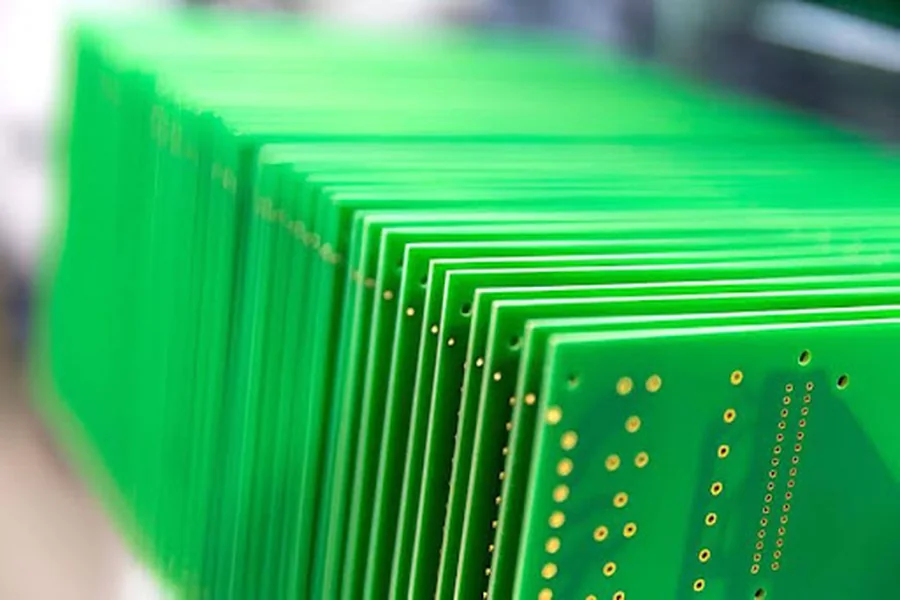
In the world of electronics manufacturing, box build assembly represents the final and most crucial stage of product integration. While printed circuit board (PCB) assembly focuses on creating the brain of an electronic device, box build assembly is where everything comes together into a functional, ready-to-use product. From wiring and enclosure installation to complete system integration, this process ensures that devices leave the factory floor ready for real-world operation.
What Is Box Build Assembly?
Box build assembly is a comprehensive process that goes beyond PCB assembly, encompassing the mechanical, electrical, and structural integration of all electronic components within an enclosure. It involves assembling PCBs, cables, subassemblies, and other hardware components into a finished product or system.
Depending on the project, a box build can be as simple as enclosing a single PCB in a plastic casing or as complex as integrating multiple circuit boards, wiring harnesses, and power systems into an industrial control unit. The scope of box build assembly often includes testing and packaging to ensure the end product is fully functional and production-ready.
The Process of Box Build Assembly
The box build assembly process varies depending on the product type and complexity, but it typically includes several key stages that ensure precision and quality.
-
Design and Planning
Before production begins, manufacturers collaborate with clients to analyse the product design, materials, and assembly requirements. This stage includes reviewing 3D models, schematics, and bill of materials (BOM) to ensure all components are compatible and the assembly process is optimised.
-
Component Procurement and Preparation
All required components—PCBs, cables, connectors, enclosures, fasteners, and other materials—are sourced and inspected. Using high-quality components ensures long-term reliability and performance.
-
Subassembly and Wiring
Technicians perform cable routing, harnessing, and the installation of subassemblies. Proper wiring techniques and cable management are crucial for safety, signal integrity, and future maintenance.
-
System Integration
This step brings together all electrical and mechanical parts, including power supplies, PCBs, switches, and displays, into the final enclosure. Each element is carefully positioned to optimise space, ventilation, and ease of service.
-
Functional Testing
Once assembly is complete, the unit undergoes rigorous functional testing to ensure it performs as expected. This includes electrical tests, software installation (if required), and simulation of real-world operating conditions.
-
Packaging and Final Inspection
The finished unit is cleaned, labelled, and packaged for shipment. A thorough inspection ensures that both internal components and external finishes meet quality and customer standards.
Advantages of Box Build Assembly
Box build assembly offers numerous advantages to OEMs (Original Equipment Manufacturers) and product developers seeking reliable, streamlined production.
-
Complete Product Integration
Box build assembly brings together electronic, electrical, and mechanical components into a single turnkey solution. This eliminates the need for multiple suppliers and ensures seamless integration.
-
Cost and Time Efficiency
By outsourcing box build assembly, manufacturers save time and labour associated with sourcing, assembly, and testing. This enables faster time-to-market without compromising quality.
-
Improved Quality and Reliability
Professional assemblers follow strict quality assurance protocols to ensure each build meets design specifications. The result is a finished product that functions reliably under varied environmental and operational conditions.
-
Design Flexibility
Manufacturers can easily accommodate custom enclosures, materials, and designs to suit specific product applications or branding needs.
-
Reduced Supply Chain Complexity
Working with a single partner for both PCB and box build assembly streamlines logistics, communication, and overall production flow.
Applications of Box Build Assembly
Box build assembly is widely used across industries where electronic systems need to be enclosed, protected, and fully functional upon delivery. Common applications include:
- Industrial Control Systems: Integrating sensors, control boards, and interfaces into rugged enclosures for factory automation.
- Medical Equipment: Assembling precision electronic devices used for diagnostics, monitoring, and imaging.
- Telecommunications: Building network routers, switches, and base stations for data transmission.
- Consumer Electronics: Enclosing PCBs in products such as audio systems, home automation devices, and smart appliances.
- Aerospace and Defence: Producing mission-critical systems that demand extreme reliability and robust construction.
Quality Assurance in Box Build Assembly
Quality assurance is at the heart of box build assembly. Every step, from design to final testing, is guided by strict standards such as ISO 9001 and IPC-A-610. Manufacturers conduct electrical safety tests, insulation resistance checks, and visual inspections to guarantee flawless assembly.
Traceability systems are also used to track component batches and production records, ensuring transparency and accountability throughout the process. With these rigorous quality measures, clients can have full confidence in the durability and performance of their assembled products.
Partnering with the Right PCB Assembly Service Provider
Selecting a trusted partner for box build assembly is crucial for achieving superior product quality and production efficiency. An experienced provider with in-depth knowledge of electronic manufacturing can manage every stage—from PCB production and assembly to full box build integration and testing.
If you’re looking to streamline your manufacturing process, reduce costs, and ensure consistent product quality, consider partnering with a company that offers a complete PCB assembly service. A full-service provider can deliver end-to-end solutions that bring your designs to life with precision, reliability, and scalability, ensuring your products are ready to perform in the real world.
